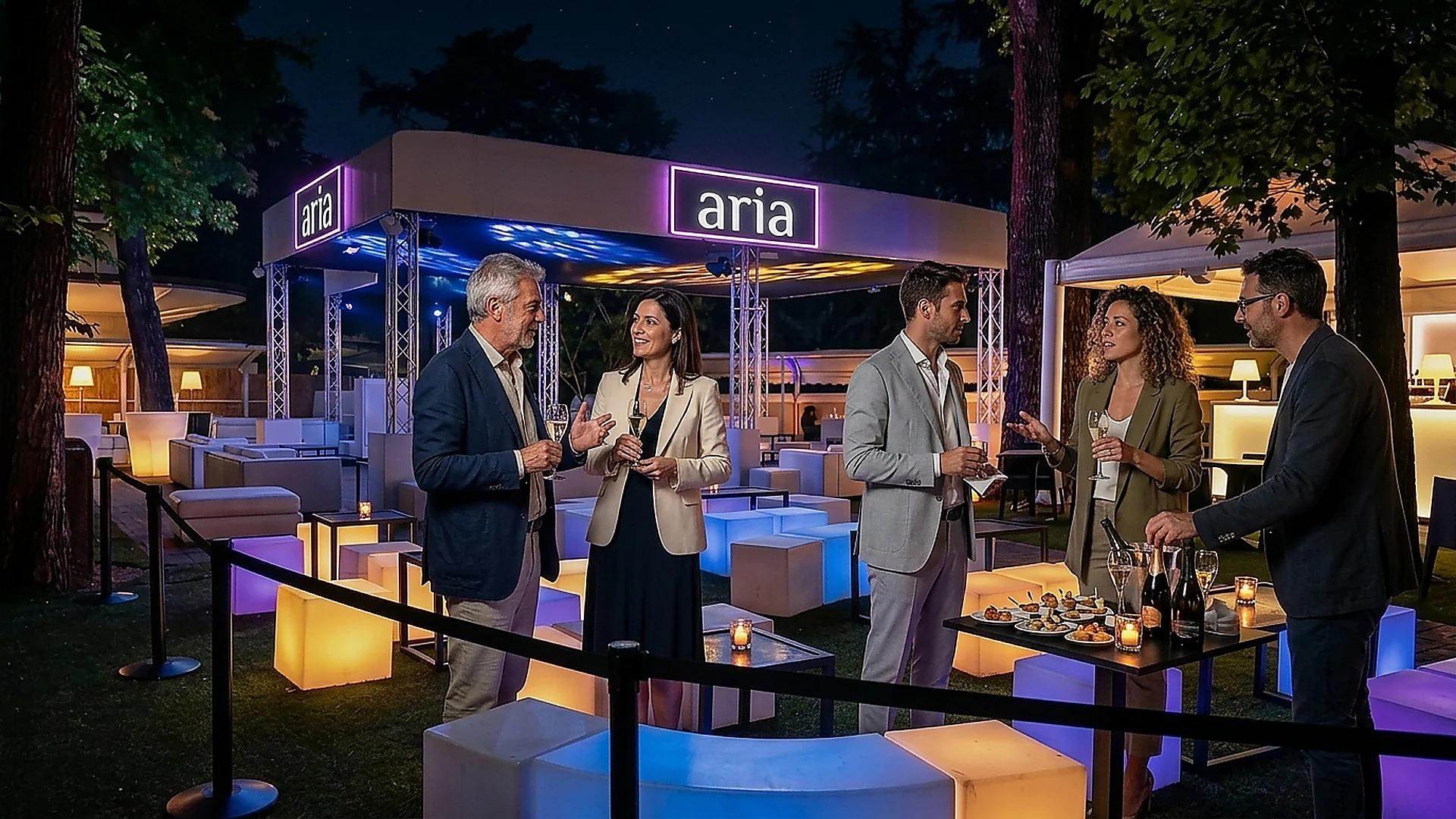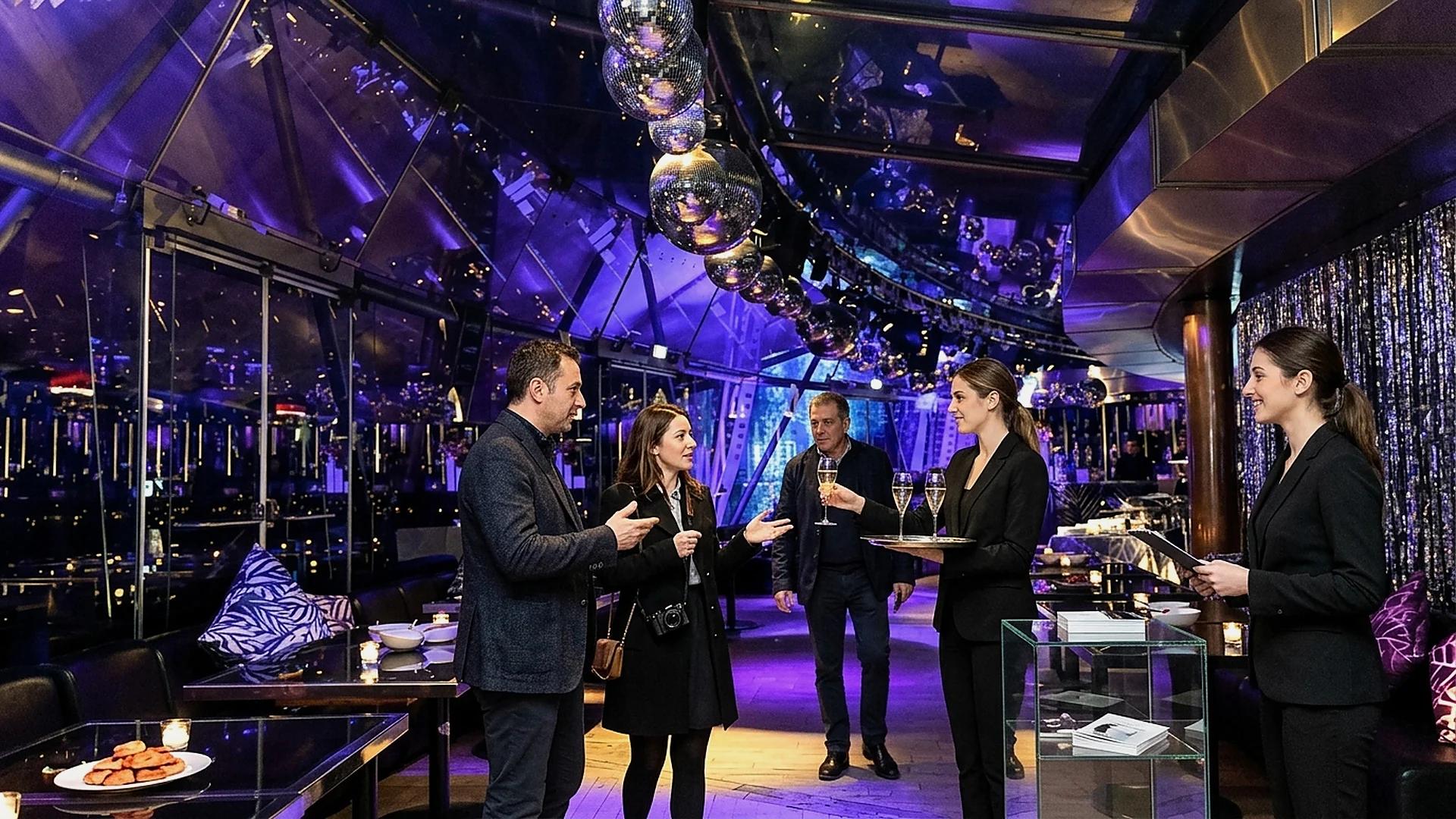
Why the dress code matters
Wondering what to wear to a corporate event isn't a question of vanity. It is a way of respecting the hosts and the other guests, and above all of feeling comfortable all evening. Someone who turns up overdressed feels just as out of place as someone who turns up too casual, and spends the evening thinking about it. The dress code exists precisely to prevent that: it tells everyone what level of formality is expected, so nobody has to guess.
What it tells you and what it doesn't
The wording on the invitation sets a level, not a uniform. "Smart casual" doesn't tell you which jacket to put on, but it does tell you that a tie isn't needed and a tracksuit won't do. For everything else, what counts is the type of event, the place, the time of day, the season and the company's culture. A fashion house and a law firm can write the same dress code and mean two different things.
When the invitation says nothing
If no dress code is given, look at three things: the place (a high-rise room or an industrial loft), the time (lunch or evening) and who will be there (colleagues only, or clients and senior management as well). If in doubt, dress one level above what you wear to the office. And if a colleague went to last year's event, ask them: it is the most reliable advice you will get.
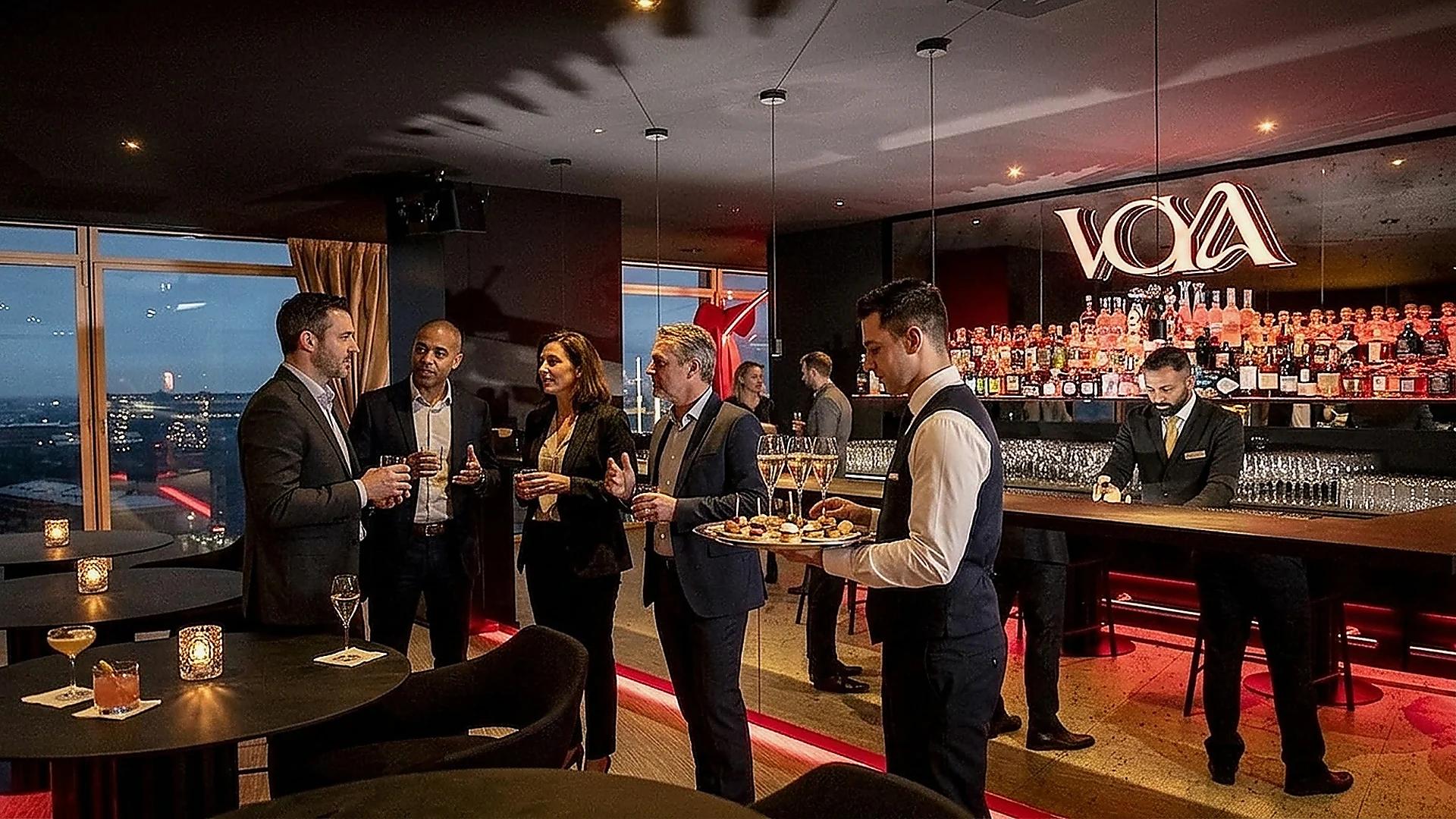
The most common dress codes
Black tie
This is the most formal level you will really come across at corporate events, for major gala dinners or awards. For men it means a dinner jacket, with a white shirt, black bow tie and polished black shoes. For women, a long gown, or an elegant knee-length evening dress, or an evening trouser suit in a fine fabric. In Italy it is rare at company parties and more common at institutional events and charity evenings.
Dark suit
This is the wording you will see most often on Italian invitations to formal business dinners ("abito scuro"). For men, a navy or charcoal suit, a light shirt, a tie and dark leather shoes. For women, an elegant dress, a skirt suit or a trouser suit in a good fabric. It is the right dress code for most corporate gala dinners.
Cocktail
Cocktail attire is less formal than a dark suit and more festive. For women, the cocktail dress is the classic choice: a dress at or just below the knee, or smart trousers with a well-chosen top, heels or elegant flats, and a few more accessories than at the office. For men, a dark suit or a jacket and trousers, tie optional, and a shirt that can be coloured. It is the usual dress code for evening company parties.
Business
This is what you would wear to an important meeting: a suit or a skirt or trouser suit, a shirt, classic shoes. It is used for conventions, client presentations and working days with senior management. For a company convention that lasts all day, it is worth choosing fabrics that don't crease and shoes you can stand in for hours.
Business casual
One step below business: a jacket without a tie, smart trousers or chinos, a good-quality shirt or polo, leather shoes or loafers. For women, trousers or a skirt with a blouse or a smart knit, blazer optional. It is what many Milan offices wear on a Friday.
Smart casual
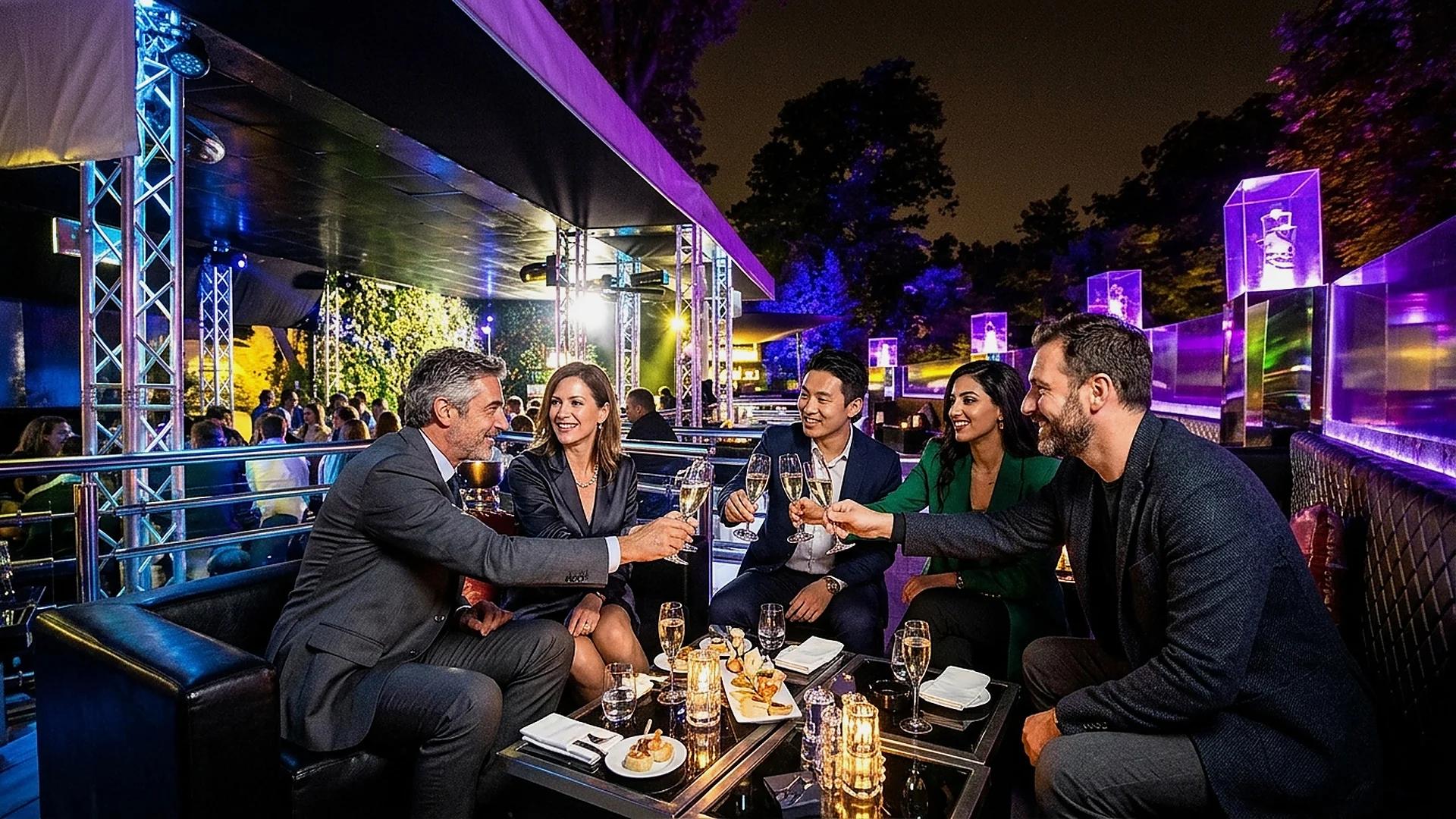
This is the most widespread dress code and the one that causes the most doubts. Smart casual means neat but relaxed: dark jeans without rips or chinos, a good shirt or knit, an unstructured jacket if it is cool, clean shoes, even minimal leather trainers. No tracksuits, no flip-flops, no T-shirts with slogans. It is perfect for drinks receptions, evening team building and parties in informal venues.
Casual
This is used for outdoor activities, sports days and workshops. Casual doesn't mean scruffy: comfortable, clean clothes suited to what you will be doing. If the invitation names the activity, for example a treasure hunt or a day at a farmhouse, think about your shoes first.
| Dress code | Men | Women | Typical occasions |
|---|---|---|---|
| Black tie | Dinner jacket, black bow tie | Long gown or evening dress | Galas, major awards |
| Dark suit | Navy or grey suit, tie | Elegant dress, skirt or trouser suit | Gala dinners, formal business dinners |
| Cocktail | Suit or jacket, tie optional | Cocktail dress, smart trousers | Evening company parties |
| Business | Suit, shirt, tie | Skirt or trouser suit, sober dress | Conventions, presentations |
| Business casual | Jacket without tie, chinos | Trousers or skirt, blazer optional | Meetings, business lunches |
| Smart casual | Dark jeans or chinos, shirt, jacket optional | Dark jeans or trousers, smart knit | Drinks receptions, informal parties |
| Casual | Comfortable, clean clothes | Comfortable, clean clothes | Outdoor activities, workshops |
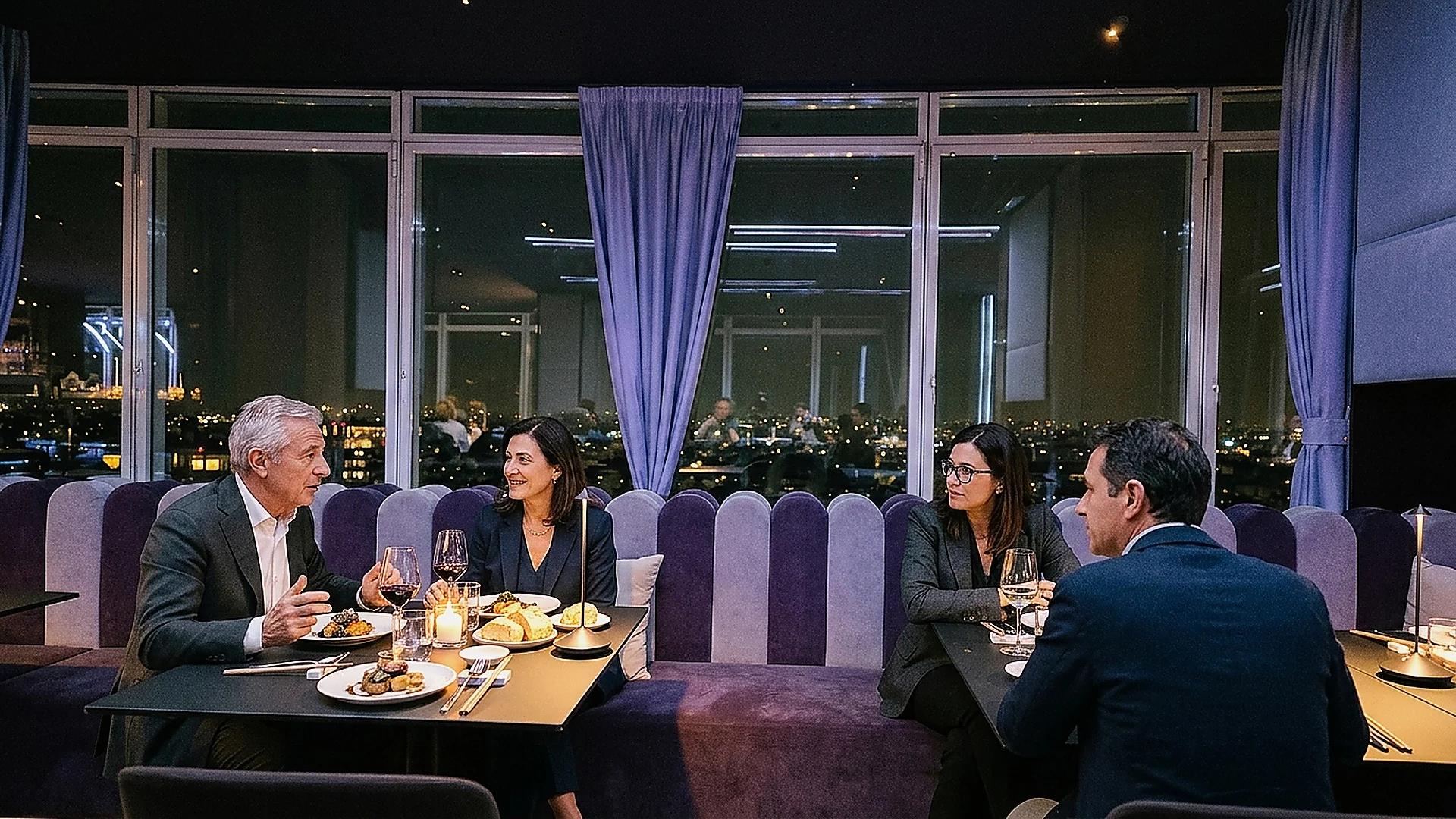
How to dress for each type of event
Corporate dinner and gala dinner
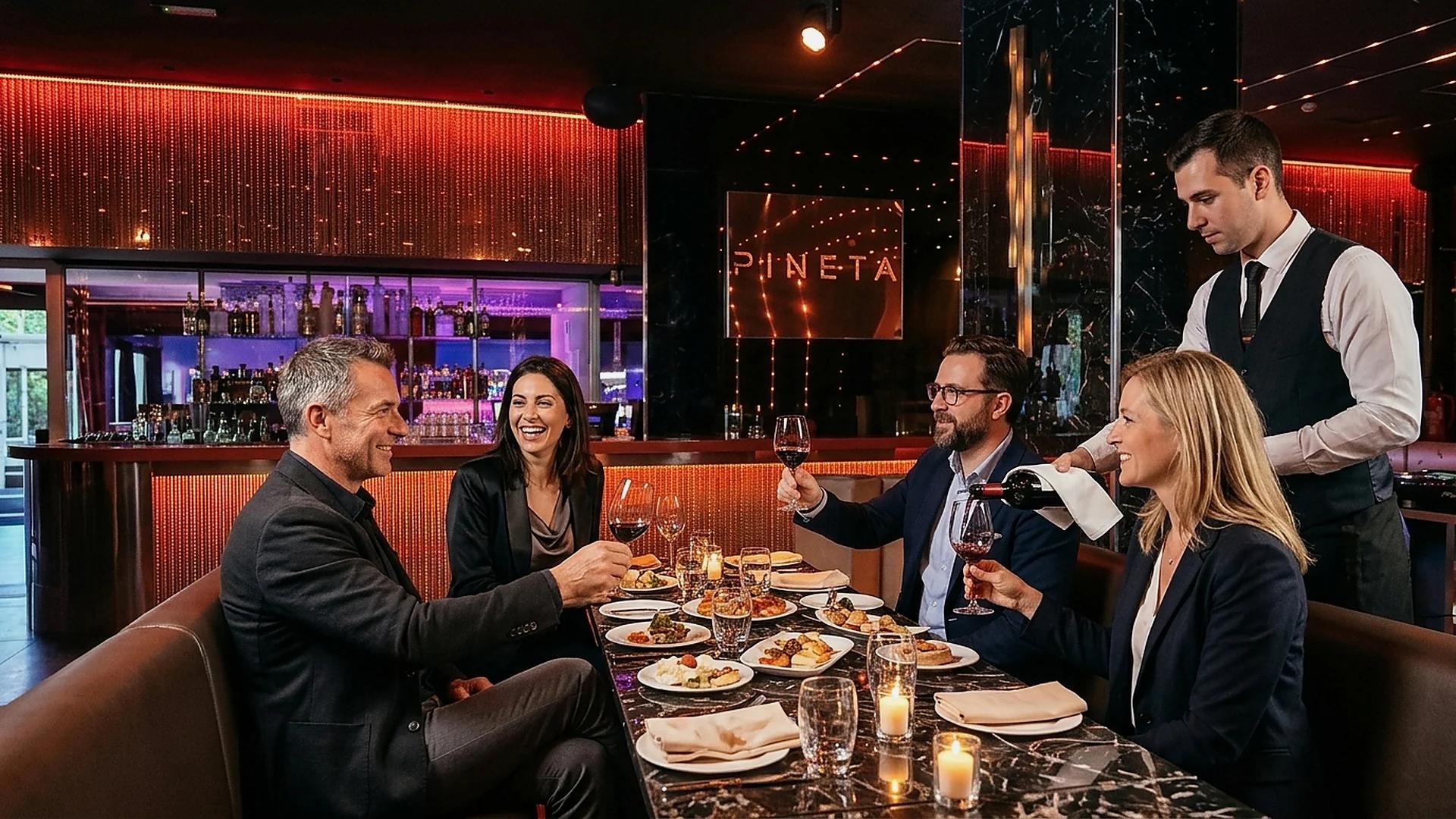
For a corporate dinner in an elegant room, if the invitation says nothing, a dark suit or cocktail attire is almost always right. For a gala dinner with awards, go for the dark suit. Bear in mind that you will spend much of the evening sitting down: fabrics that don't crease or cling, comfortable shoes under the table, no accessories that get in the way while you eat. The menu, timings and venue for the dinner are covered on the page about corporate dinners.
End-of-year party
December is the month when people allow themselves a little more: a velvet dress or jacket, a fabric with a bit of shimmer, a coloured shirt. Still, stay within the register of a corporate event: your managers will be there, and perhaps clients too. If the party goes on with a DJ set, expect to dance. For ideas on December evenings, there is our site about Christmas parties in Milan.
Conventions and working days
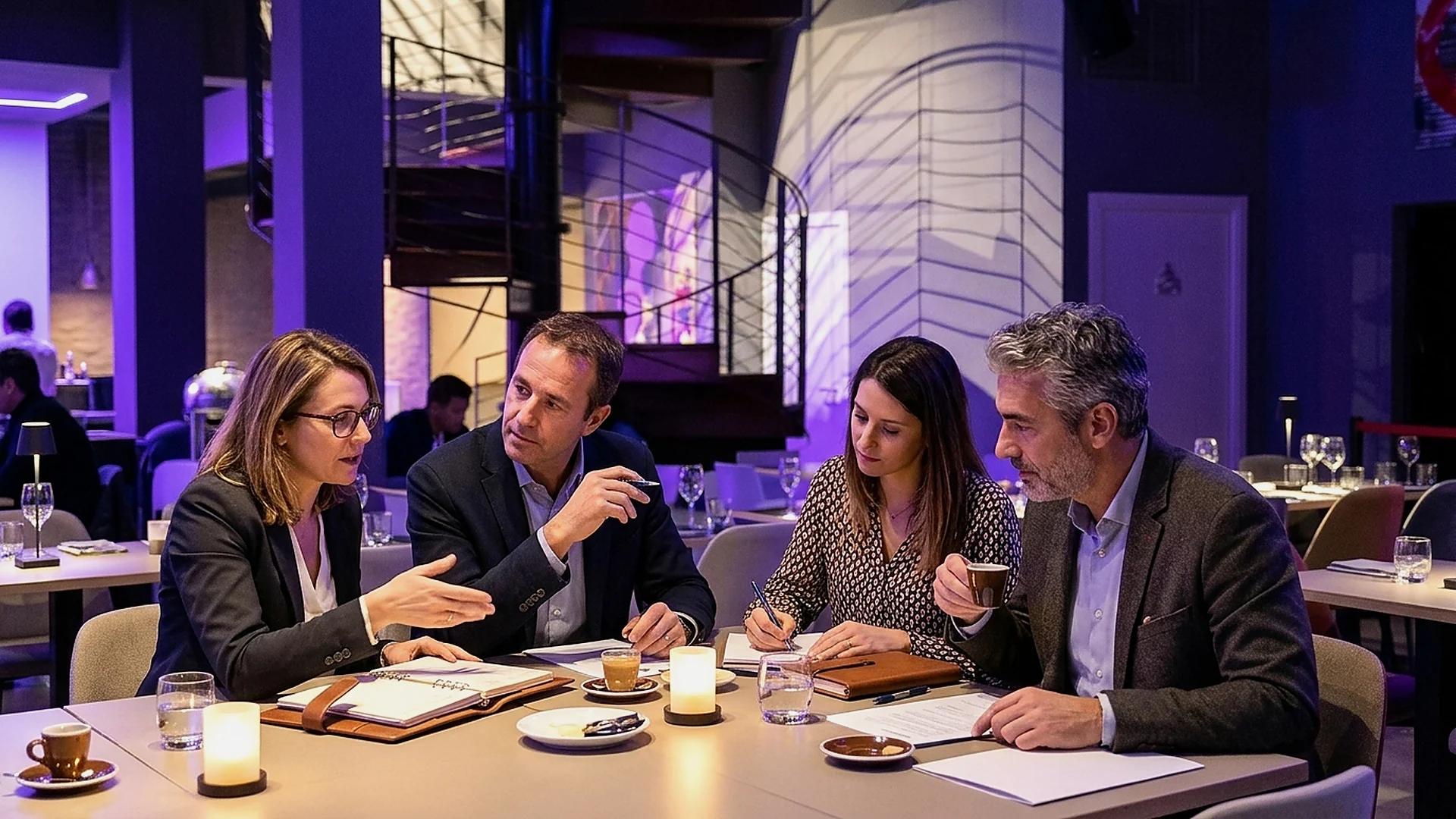
For a day in a conference room, business or business casual is right, depending on the company's culture. If you will be presenting on stage, ask the organisers what colour the backdrop and the lighting will be: an outfit the same colour as the backdrop disappears in photos. Avoid thin stripes and small checks, which create a shimmering effect on video.
Product launch and evening with clients
When there are clients, outside guests or press, the people representing the company dress one level above the guests, not below. For an evening client event, cocktail attire or a dark suit is the safest choice. For a product launch in an industrial space you can be less formal, but with care: the details matter more than the level.
Drinks and team building
For drinks after work, your office clothes are fine, perhaps without the tie. For team building, read the invitation carefully: if there is a hands-on activity such as cooking or a workshop, you need clothes that can get stained. If the activity is outdoors, you need suitable shoes and an extra layer. The possible activities are described on the team building page.
Practical tips for women
Shoes
At a standing event, such as a drinks reception or a standing dinner, your shoes are the most important choice of the evening. A mid or block heel, elegant flats or a refined loafer will carry you through for hours. If you want high heels, carry a spare pair in your bag for after dinner.
Lengths and necklines
In a work setting, the rule is moderation: knee length or below, modest necklines, fabrics that aren't see-through. It isn't a question of prudishness but of role: you are at a work event, even if the evening is festive.
Bags and accessories
A clutch or small bag for the evening, a roomy bag for convention days with your laptop. Accessories give character to a simple outfit: a pair of statement earrings or a necklace is enough to go from office to evening.
Practical tips for men
The jacket
This is the piece that solves the most situations. A well-cut navy jacket can be worn with a tie at a dinner, without one at drinks, and with dark jeans at a smart casual party. If you don't know what to wear, start from the jacket and decide the rest around it.
Tie or no tie
If the dress code is dark suit or business, yes. If it is cocktail, it is optional: in a very elegant room, better to have one. If it is smart casual, no. A simple trick: keep it in your pocket and decide when you arrive, by looking at everyone else.
Shoes and socks
Clean leather shoes and long dark socks that don't leave your leg showing when you sit down. With smart casual, minimal leather trainers are fine too, as long as they are in good condition.
Season and weather in Milan
Winter
From November to March, Milan evenings are cold and often damp. You need a proper coat, and the venue needs a cloakroom: ask the organisers if it isn't mentioned. Inside the rooms it is warm, so layers you can take off are better than a heavy jumper under your jacket.
Summer
In June and July it is very hot, even in the evening. Natural fabrics such as linen and cotton, light colours, a lightweight jacket. For an event on a terrace, bring something for after dinner: high up, the air changes once the sun goes down. The terraces where corporate drinks are held are on the site about Milan rooftops.
Spring and autumn
In spring and autumn the weather changes quickly. A folding umbrella in your bag and a light jacket or coat will save the evening, especially if the programme includes a walk between two places.
If you are writing the invitation
If you are organising, the dress code is one of the first things guests look for. Writing it clearly saves dozens of questions.
How to write it
Use clear wording and, if needed, a line of explanation: "Dress code: cocktail. For women, a dress or smart trousers; for men, a jacket, tie optional." If the guests are international, use the standard English wordings they know: smart casual, cocktail attire, business attire, black tie.
What to add
If there is an activity, say so: "We will be walking guests for about ten minutes, so we recommend comfortable shoes." If the evening is on a terrace, warn them that it may be cool later on. If there is a theme, explain how optional it is. All the information to put in the invitation is in the guide on how to plan a corporate event.
Matching the venue
The dress code has to match the venue. Asking for black tie in a loft with low seating, or smart casual in a room with tablecloths and silverware, puts guests in an awkward position. If in doubt, ask yourself how the waiting staff will be dressed: guests should be at least at the same level.
The people working at the event
The internal coordinator and the welcome team
Whoever is organising from inside the company stays visible all evening: guests look for them with questions, suppliers look for them for decisions. They should dress one level above the guests' dress code, with comfortable shoes, because they will walk far more than anyone else. Pockets matter: phone, running order, pen, sometimes a microphone.
Hostesses, staff and speakers
If there are hostesses at the welcome desk, agree colours and style with the agency, so they fit the venue and the company's image. Speakers at a convention or a presentation should know in advance the colour of the backdrop, whether there will be clip-on microphones (which attach to a belt or collar) and how long they will be standing on stage.
The venue staff
The venue's staff wear their own uniform and are not part of the event's dress code. If you want a coordinated detail, such as a buttonhole flower or a ribbon in the company colour, ask the organiser well in advance: it works for a themed evening, rarely for a classic dinner.
The most common mistakes
- Ignoring the invitation. If it says dark suit, jeans won't do, even designer ones.
- Dressing for the venue rather than the event. A nightclub doesn't turn a corporate dinner into a night out with friends.
- New shoes. Never wear them for the first time on the night of the event.
- Too much perfume. At the table, sitting close together for three hours, less is more.
- Logos and slogans. At a corporate event, avoid T-shirts with slogans and very visible logos, unless they are the company's own and have been requested.
- Forgetting the badge. At conventions it has to be worn visibly: choose an outfit you can clip it to without damaging it.